October 9, 2025
The Future of Genz Conservatism


Class Description
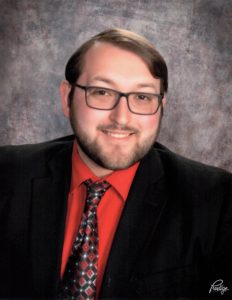
Hunter Oswald, a writer for The American Spectator, will share his insights on GenZ conservatives, including what makes GenZ tick and how GenZ conservatives differ from other generations.
He’ll also address contemporary political issues, including the meaning of conservatism today, today’s most critical conservative issues, the role of technology, the revival in religion/faith, and the debate over free-market vs protectionist economic policy. We’ll close with questions. (7:30-8:30)
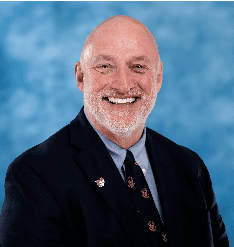
Monty Lobb will discuss his work as Executive Director of the Christian Business Partnership. A new effort by the Center for Christian Virtue, the Partnership is Ohio’s only statewide Christian Chamber of Commerce.
The Partnership will advocate, educate, and celebrate the sacred idea of religious liberty for Christian employers in their workplace, and fair and free markets that enable businesses to compete and thrive in the American economy. Learn why your organization should join the Christian Business Partnership. (7:05-7:25)
Speaker Bio
Hunter Oswald is the Phil and Beth Gasiewicz Development Fellow, and a Research Fellow, with The American Spectator, where he contributes articles and ground reporting. He also has contributed to various other outlets, including Checkpoint News, Cogitare Magazine, and Convention of States.
In addition to writing, Hunter served as the IFF Student Fellow in Conservative Thought for the Institute for Faith and Freedom, where he researched religious terrorism and insurgencies across the world, and their importance in addressing national security matters. He also researched the economic effects of revitalization projects to generate insights to help local governments improve their communities.
Hunter graduated Cum Laude from Grove City College with a B.A. in Political Science and minors in National Security, Economics, and History.
Monty Lobb is Executive Director of the Christian Business Partnership, a statewide Christian Chamber of Commerce, a Fellow at American Center for Civic Character, and owner of Kenosis, Ltd., a consulting firm.
Monty’s prior experience includes serving as Executive Director of the Business Innovation Center at Ohio Christian University; Public Defender in Fairfield County; Associate Professor of Business at Mount Vernon Nazarene University; General Counsel, Assistant Secretary of State, and Chief of Staff at the Ohio Secretary of State office; and Deputy General Counsel at the Ohio Treasury.
Monty was President of CCV — then known as Citizens for Community Values — from 1989 to 1991, when it exposed the Mapplethorpe art exhibit in Cincinnati, launching it onto the national stage.
Monty holds a law degree from The University of Dayton School of Law, and a Bachelor of Arts in Finance and English from Olivet Nazarene University.
Monty’s. Prior experiences includes serving as executive director of the Business Innovation Center at Ohio Christian University Public Defender in Fairfield County, associate Professor of Business at Mount Vernon Nazarene University, general Counsel, assistant Secretary of State and Chief of State at the Ohio Secretary of State Office, and Deputy General Counsel at the Ohio Treasury.
Monty was president of CCV, then known as Citizens for Community Values. From 1989 to 1991 when it exposed the [00:01:00] Mapplethorpe Art exhibit in Cincinnati, launching it onto the national stage, Monty holds a law degree from the University of Dayton School of Law and a Bachelor of Arts in Finance and English from Vete Nazarene University.
Please welcome Auntie Lobb.
Speaker 2: Well, I want to thank, am I on? We’re doing okay. Uh, I wanna thank Betty and thank Dan for this opportunity. It’s always good to be back home. Uh, I grew up here in Tri-County. I was on the Princeton School Board back in the nineties, and then a friend by the name McKen Blackwell, uh, talked with Ken. I said, I’d like to come work for you.
So I moved to Columbus and worked for him for 11 years, and then just stayed up in Columbus. So anytime I can get back down here, I’d, I’d always love it. Uh, I’ll go stay with my folks to tonight, just down the road. And, [00:02:00] uh, when I’m near the root beer stand, it’s just really very, very difficult. I grew up with that place.
But, uh, thanks for coming out tonight. Thanks for coming out tonight. I wanna talk to you about the Christian Business Partnership. But before I do that, uh, and the time that I’ve got, I want to ask you a question. Did you ever hear of somebody ask the question, Hey, what do you do? What, what’s your job? What do you do?
And somebody may say, well, I’m a teacher, or, you know, I’m an accountant, or, I work at such and such a place. But have you ever heard anyone say that they’re in the business of human flourishing? No, we really don’t. But really, for those people that are in business, really, you could probably say anything, but particularly business.
That is incredible. And, and there’s an opportunity, uh, that’s unlike anything else. Um, the business sector is the most [00:03:00] powerful entity devised to promote human flourishing. Think about that for a second. I mean, you, you know, you may have, first bless you may say, well, what about the government? Well, the government can recommend things, right?
The government can create laws can’t cover everything. What, what about the religious community? Churches? Well, obviously they teach and hopefully inspire people to do the right thing for the right reasons, right? But think about the business community in terms of their outreach and what they can do. And so this whole idea of human flourishing is, is a fascinating idea.
And, and I, I just wanna share a little bit about this with, with you. So Harvard, I’m not crazy about Harvard, but believe it or not, they have a program called the Human Flourishing Program. Tyler Vander wheel is in charge of it. And he says, the flourishing is a state in which all aspects of a person’s life are good.
Complete human wellbeing. [00:04:00] Well, what does that look like a little bit more? Well, here are four different pathways that the program at Harvard identifies to human, flourishing, family, right? Very important. Work, education, and religious community. Now, all four of those talk about human flourishing domains, but tonight I wanted to talk about work for a second or two.
So work, think about happiness and life satisfaction. Do people get happiness and life satisfaction out of their work? Well, if they’ve got a job that they like, right? If they’re passionate about it. I’ve had jobs before where that was not the case, so it’s, it’s probably more to the other extreme. But work can do that.
It can create happiness and life satisfaction for us. I’m doing something that’s meaningful. What about physical and mental health? You know, [00:05:00] I, I, I work probably more with my brain, but like, when I get to go and I get to work in, in my yard, I live in the woods in Ohio, I figure if I can’t live at the ocean, I can’t live at the beach, uh, or the mountains, I’ll, I’ll take the woods.
So I’m out there with my chainsaw and I’m working and doing all this thing, and at the end of the day when I’m sweating and everything, and I see what I’ve done good about that, you know, and it helps me mentally. And so work can help us physically and mentally in terms of like, oh, this is great. I’m active.
I’m doing something. I’m doing something meaningful. I’m helping people. Also, it provides meaning and purpose. It can, you know, sometimes you hear like, I’ve been called to this, right? Or this, this is. This is what I was, was meant to do. And that’s so important. And there’s a lot of people that don’t feel that way about their work.
They don’t find meaning or purpose in that. [00:06:00] But God’s created us in a way that work is very important. And we find that even in our society today, right, that there are able bodied people who don’t want to work or sometimes we have young men living in their parents’ basement, uh, playing video games and they don’t find a need to want to work, but also work can provide character.
And virtue. Boy, there’s so many opportunities. Where do you do the right thing? Do you persevere in your work? Right? Character building hurts. It’s not easy, it’s not fun. But work is one of those places where it tests you. Sometimes you have to work with people that you don’t, you wouldn’t want to, right?
You don’t get a choice. You’re put on a team and it tests your character, your resolve, your ability to endure. [00:07:00] So work has a way of testing us in terms of our character, our virtue. Also, a lot of times we have close friends from our work, Hey, let’s go out after work. Let’s go do this. Let’s go bowling.
Let’s join kind of a league. Let’s, let’s get together on the weekend. You know how, if you thought, how many friends maybe have you had from your, your work, your work days, right? So close social relationships. And last but not least, financial material stability work can provide that. And so these are some ways that work leads to human flourishing.
And we could talk about family education and religious community doing the same thing. But the Christian Business Partnership, what I’m about. Is really trying to find men and women across the state of Ohio who get this, who understand this, that you know what I have, I have, I’m an entrepreneur, or I work somewhere, or I’m the business owner and I have an incredible opportunity.
I’ve been blessed [00:08:00] to bless others. And that’s so important. And here’s going back to that whole theme about business being like any other kind of institution. Think about this. Business owners particularly, they’re involved in the private sector, the social sector, the public sector, and the private sector.
They’re paying their employees, their staff, wages, salaries, right? So they’re contributing directly to their quality of life and their wellbeing. Business owners do that, but then also they’re paying taxes to the government. And so that’s the public sector. Not only are they paying personal, but their businesses are paying corporate taxes.
That money that goes to the government, hopefully can come back and bless the community. But then last but not least, the social sector, the not-for-profit sector through ties, through offerings, through charitable giving, donations, [00:09:00] contributions, business owners, bless our communities that way. So three different ways that people in business, business owners particularly, can bless the community and help the whole idea of human flourishing.
Well, I wanted to share that with you because our organization, the Christian Business Partnership, like I mentioned, is all about that. Okay. And we are a division of the Center for Christian Virtue, which was founded here in Cincinnati, moved to Columbus a number of years ago, and the center, uh, ours, the right here, the Christian Business Partnership.
What we’re about. Let’s see. I dunno if I can get that. There we go. Um, our mission is to help businesses and people in the business world be able to practice their faith in the public square and they’re in the workplace. And then also advocate for free [00:10:00] market enterprise philosophies and principles. So, for example, what I’ve done so far this year is our office is right across the street from the State House.
So I’ve testified on DEI, diversity, equity, inclusion, and saying that, you know what, that’s a Trojan horse. It’s not good. Uh, it sounds good, you know, but when you look behind the screen, what it does, it shames people. It, uh, uh, tries to compromise. People sh shut ’em down so that they can’t share their point of view.
And so. We felt like, you know what? We needed to testify on that both in front of the House and the Senate and get that out of Ohio’s public universities. And it did. The legislature passed that and the governor, uh, signed that bill. Uh, I also testified on stopping the [00:11:00] expansion of predatory gambling.
These phones that we have, there were some lawmakers that what they wanted to do was put a virtual casino on your phone. And so basically what could happen is you’d have Las Vegas in your bedroom. You’d have Atlantic City in your dorm room, and you add AI to the equation now and follows people. And they’ll check and, Hey, we haven’t seen you in a while.
We’ll give you free bets for this if you do this, this, and young men are on their phone constantly. And so what this would’ve done is continued to try to build the Ohio’s economy on the back of the poor. Addicted and young men and our organization, the Christian business partnerships said that’s wrong.
We should never build the economy that way. We should always, always hold the in highest esteem people over money. And this is wrong. [00:12:00] So we, we fought against that. We fought for the flat tax making Ohio more competitive here in the Midwest. And not only try to retain businesses, but attract new businesses into Ohio.
And so what’s been passed is that Ohio is now like on a glide path that over the next two to four years will go to a 0% and state income tax. And so that makes us much more competitive than any other state in the Midwest. And we’re hopeful that that will also boost Ohio in terms of business and bring people in and help business owners who are already here.
So those are some of the things that we do. We advocate across the street in Columbus, but then also what we do, and we’ve got a table back here in the back, and I hope you’ll take a look at it because for people that wanna join the Christian Business Partnership, we have uh, different benefits. So there’s some people that need health insurance, there’s some people that need workers’ compensation or health [00:13:00] and wellness benefits.
Our organization has all of that and we’ve been able to save a lot of our members thousands of dollars, particularly on the health insurance. And um, we do those kind of things also for businesses that say I only have like a one or two people. Some people may need help with their payroll or they may need education or training on sales or marketing or leadership.
All those kind of things the Christian Business Partnership has. And last but not least, then what we do is we celebrate, ’cause we have six different chapters around the state of Ohio. We’ve got one here in the Cincinnati area. Matter of fact, we’re gonna be over at Blue Ash next Tuesday from six to seven 30.
You’re welcome to join us over at Helium, SEO. And what we’re gonna be doing with, with our members and people that want to come is how do you share your faith at work? How do you do that? How do you live it out? And we’ve had Congressman Warren Davidson come and talk about the budget. Uh, we’ve done fun things for networking and all that.[00:14:00]
Um, we’ve had judges come and speak and well, last, last week we just had a, um, an essential summit in Columbus. A guy named Willie Robertson came and spoke. We had over 700 people from the state of Ohio come to that. So the Christian Business Partnership and, and our parent, the, the center for, uh, Christian Virtue are very big on terms of trying to educate people and what’s going on with legislation, the economy, uh, things like this.
So, uh, I, I hope you’ll take a look and come see us. Um, like I said, we meet around the state three or four times a year. We have different events in Columbus. Uh, we’ve got a tax accountant and, and some other people that are gonna talk about the one big beautiful bill, uh, at the, um, let’s see, November 6th up in Columbus, a tax accountant and, and break it down, get into the weeds in terms of, okay, what does that act, what does that actually do for businesses and, [00:15:00] and other kind of people?
So unlike the, uh, state Chamber of Commerce that’s gone, woke, uh, we’ve not done that. We, we’ve stayed true to this ju, these Judeo-Christian principles and free market economic principles. I’ll, I’ll close with with this thought. Um, there was a guy by the name of Dr. Michael Novak. He was a, a laureate with the American Enterprise Institute, passed away just two, three years ago.
But he said the thing that made America unique was America’s like a three legged stool. One, one leg is that we’re a constitutional republic. Okay, well there are other nations now that are constitutional republics, but we’re the first, we’re the longest running. One second, we believe in free market economics.
Alright? No more government than you need. No more regulations than you need. Let the market sort these kind of things out. Well, there are other nations that believe in that too. But the third thing is, is that we’re founded on a moral consensus. [00:16:00] We believe in self-government that we ought to be able to govern ourselves.
A guy, the name of Chuck Colson said, in society you can have more character or more cops. So when people are able to govern themselves and they have more character, moral virtue, less need for regulations and cops. So when you put a moral consensus, free market economics, and you put a constitutional republic together, America’s very unique.
That’s why it’s been exceptional. And so we need to stay on the vanguard of those kind of things. And particularly in the business world with human flourishing, we have an opportunity to make a contribution to our communities, to the state of Ohio. So I’ll be around afterward tonight, if you want to come back and, and, and look at our material or sign up, we’d love for you to do it.
But thanks for being here tonight.
Our next speaker tonight is gonna be Hunter Oswald, and he’s gonna be talking about the future of Gen Z. Hunter is the Phil and Beth, and I know I’m gonna say this wrong, Gitz. Development fellow and a re research fellow with the American Spectator, where he contributes articles and ground reporting. He also has contributed to various other outlets, including Checkpoint News, Aire Magazine, and Convention of States.
In addition to writing, hunter served as the IFF student, fellow and conservative thought for the Institute for Faith and Freedom, where he researched religious terrorism and insurgencies across the world and their importance in addressing national security matters. He also researched the economic effects of revitalization projects [00:18:00] to generate insights to help local governments improve their communities.
Hunter graduated Cum Law from Grove City College with a BA in Political Science and Minors in National Security Economics and History Hunter.
Speaker 3: Um, so. We’ll go through. I, I have sort of a, a loose interview and Hunter will do most of the talking and um, and then we’ll, we’ll open it up to, to questions. But the whole point of this is for us to understand, you know, look at, look at the younger generation.
’cause you’re what, 24? 25. Okay. 24. So he, I mean he’s very just out of college, right? And he just took the LSATs, he’s actually applying to law school. He took the LSATs last weekend. Right. So, so the whole point of this is just for us to hear directly from a young person how young conservatives, um, you know, what their viewpoint is like and what, what, what they, um, how they feel about the, the conservative movement and what, what they’re looking, um, [00:19:00] thinking about to, you know, in terms of the future.
So, um, so Hunter, I I thought we’d start just, I thought it’d be good to give people a sketch of your background, right? So I, I thought if we, if we could hear a little bit about. Childhood and what led you to, to attend Grove City, you know, in terms of your evolution of conservative thinking and, and conservative involvement.
And, and you’ve done some really interesting things at Grove City, so we, we’d like to hear about that too. So what, what, first of all, what can you tell us about your, your youth before you, you attended college?
Speaker 4: Check, check.
Speaker 5: There we go.
Speaker 4: Technology. Um, well first off, I wanna say thank you for having me here again. I know last time I talked about Herbert Hoover, so it is a pleasure to return. Um, yeah, so just getting to a little, know myself for a second. [00:20:00] I would always say I was always born a conservative. I think that’s just cheap to say, but I would say it truly started with my family.
So my parents really had a major influence. So my father is a deputy and my mother worked in the medical field. She’s a revenue cycle manager or that’s what she’s been doing. So I always joked that my dad protected people and my mom took sick people’s money, so, so I always joked about that. But because of their jobs and being very involved in my education, my upbringing, I was able to see things that most kids normally don’t see.
So especially as a cop kid, I would say one of the downsides is you start seeing how people are not always nice and sometimes the most graphic ways. And I think that reminded me of how people were so imperfect. As human beings, we can do good things, but people sometimes choose to do other [00:21:00] things. My experience, especially with my mom, was really, I would say with the start of Obamacare, because one of the things that I started realizing was how, okay, you know, here’s how the medical system works.
Here’s how people get paid, here’s how doctors work. And then when Obamacare came in, I saw how the state said, oh, we’re gonna help these people. And I will never forget one day walking into the office seeing patients cry because the government told, Hey, if you don’t get outta here, we’re not gonna cover you.
We’re not going to give you all these benefits if we promise. So. Seeing that from my pa, from my parents’ occupation itself, kind of helped foster a sense of skepticism towards government. But I would also say their involvement in my life in general, because they were al, they always saw I had potential and they were like, okay, you know what, what interests you academically?
What interests you intellectually? So for me, I got a library card. [00:22:00] I was, because I, that’s when I not just started loving reading, but I started learning history and my development of loving history. Let me further down that road to developing my own conservatism. And then I would say as time progressed into high school, so went to Lakota local schools, which is a public school, um, not necessarily a conservative, friendly environment despite what some people think in this area.
So I would always be very vocal about what my ideas were and challenging, you know, hey. You tell us to be critical thinkers, and here I am asking questions that many students are not asking. And sometimes it was like, oh, you know, that’s actually good. I like, I want more students like you. Other times it was the complete opposite.
And so there I started realizing that even our educational institutions who say we wanna have critical thinkers and independent thinkers, we’re not living up to those standards. So [00:23:00] there my conservatism became more self-development, not through school, not through any real academic institutions at that point.
So for me, that’s from school. But another thing has been my Roman Catholic upbringing, which has drew me not just further to Christ, but has shown me how things are in the way of, there is something more higher than just us. There’s a higher purpose that we can achieve as individuals, and there is a higher calling for all of us.
Speaker 3: So I’m, I’m, I’m just curious, in the household, did your parents talk about politics? Were you exposed to and, and were they conservative? I can’t remember if you mentioned that.
Speaker 4: Yeah, so my parents are uber conservatives. Um, so my, I would say political upbringing really started with the 2008 presidential election between Obama and John McCain.
So at that age, I was starting to ask questions because my dad would always [00:24:00] watch the presidential debates. And so I started asking questions like, who, what’s a senator? You know who you know, it’s Senator McCain, who’s McCain, you know, who’s Obama? And then who’s Sarah Palin, this governor from Alaska. So started asking basic questions and my dad would always, you know, try to at a, for a 7-year-old at the time, explain like here what a governor is, what a senator is, um, how the electoral college works, you know, what certain policy positions in what that meant.
So. That was probably my first dose of politics individually and from then on, it really just grew from there as a intellectual curiosity towards politics.
Speaker 3: What are you, you mentioned Obamacare, were there other, you know, uh, you know, pivotal political issues that you were aware of at a younger age, like before you went to college that,
Speaker 4: yeah, so I would say, and especially for Gen Z, I think the political events of my early childhood obviously were the, um, invasions and occupations of Iraq and [00:25:00] Afghanistan.
So watching the news constantly, you know, how the soldiers were doing over there. Well, life was like for the soldiers over there. What were the challenges that were being still faced over there, despite the fact we had overthrown Saddam and the Taliban in those regions. Um, another thing was the oh eight recession.
So seeing. I remember being in school during that and watching families literally take their school, their kids out of school, because they just said, oh, we’ve literally lost everything. We have no jobs. We’re gonna lose our house. We are literally living in destitute at this point. And so there was a lot of even more skepticism, so to speak, um, from that front.
And I would say that kind of gave me a question of why, how does the economy work? How does this role of the state, because of the oh eight election, you know, all the talk about how we’re gonna, you know, stop capitalism from working because we have to fix the economy, we have to fix this recession. [00:26:00] So I would say at a young childhood, those were the dominant events.
And then later on we had the, um, for me it was the rise of President Trump and the issues with the Obama administration. And then after Trump’s first term came. COVID, then George Floyd. And then all the issues I would say is the rest is history.
Speaker 3: So. So when you got to the point of applying to colleges, how did you make the decision about Grove, Grove City
Speaker 4: College?
Well, I knew I wanted to get into either political science or economics. And originally I wanted to do Hillsdale because everybody in the conservative circles that I was in were like, oh, you should go to Hillsdale. That’s like the best place, you know, for a conservative student. I was like, okay, you know, that’s a place.
And then, um, somebody came along and told my dad that they knew Grove City College in Pennsylvania. And they’re like, what’s that? And it’s like, think of it like Hillsdale, but it’s in Pennsylvania. So I was like, okay. And, uh, start, start looking into [00:27:00] them. And then my third choice was also Cedarville. So I started looking, I always joke because at the time when I was looking for colleges, I was like, I knew I wanted to get into the programs and they were all outta state.
And so my parents were like, do you wanna tell us something? You’re picking places outside of Ohio. Are you, are we good? Are you, I was like, no, it just, they have the best programs that I’m looking for. So when it came down to colleges, I looked at Hillsdale intensively. I looked at Grove City College intensively and ultimately chose Grove City.
Speaker 3: So, but, but there was, it sounds like you were looking for a conservative
Speaker 4: Yeah, they were all conservative because I knew when I was looking at college, I didn’t want to go someplace to where I would have to fake. My, I would just call it like, fake my identity put on a constant facade because I knew going in academia, there were already prejudice towards conservatives in that atmosphere.
So why going to atmosphere, that’s not gonna value my opinion, period. And I’m just gonna [00:28:00] have to basically lie to myself, my own principles and values to get that a or get that, you know, or get an F.
Speaker 3: So, so what you’re saying is in high school you had this consciousness about the atmosphere generally in academia being really liberal, right?
Speaker 4: Oh, yeah. In fact, I had a few, uh, teachers openly admit because they knew I was intellectually curious about this. And some were like, yeah, I’m a, I’m a centrist. Um, I had one teacher who very good, um, one of the best, he, he didn’t actually tell me he was a democrat until after the fact because he’s like, I want a non-biased education for you.
And I see there are so much potential for you. So there are good teachers in the public school system, but I did have a. A couple that were very, very biased to the left and they were constantly, you know, challenging me on this. I’m like, look, this is the facts. You know, if you wanted to say this about this amendment or that about the constitution or this and that about policies, presidency, you name it.[00:29:00]
I was like, I will make my case. And if you don’t accept that, then clearly either you’re failing as a teacher or clearly know, clearly don’t know what it means to teach. Do,
Speaker 3: do you feel that you, um, I’m, I’m wondering about other students. Do you feel like, did you stand apart in terms of your level of, uh, political awareness and intellectual understanding of politics?
Or did you have in your high school, did you have a, a sizable peer group? And, and here’s where I’m going with this. I’m wondering if other students were conscious of. The general liberal bias in colleges around the country. Yes. Were were you unique in, in understanding that at such a young age? Yeah,
Speaker 4: I was one of the rare few in my school that was very conscious of that, the environment I was in.
So a lot of people who were students, many of them were either, they knew it was on, but they just didn’t care. They were very apathetic towards it. So it’s like, you know what? It doesn’t affect me in any way, shape, or form. Why should [00:30:00] I mess with that? Or it was, they knew and they were just scared because they, they wanted to have a good scholarship after high school.
They wanted to go to that high, you know, Ivy League school because that’s how they’re gonna succeed in life. There was a lot of fear in many of the Gen Z folk in my school, in my high school. So I was like, you know what? I’m not gonna live in fear. I’m going to pursue what I want to do. Being true to myself, being true to my values, who I am.
And I interestingly have got more respect because of that, even amongst folks who were not of the same opinions that I had, because I knew. It’s like, look, you talk about being, again, you talk about being a critical thinking, independent thinker. Why, why are you gonna shut that down when you’re supposed to be that?
You know, the model student is to ask the why question. And if you’re not, and if you’re ready to ask why, then
Speaker 3: Yeah. So, so you made the decision to attend Grove and I, [00:31:00] I’ve, you know, I’ve, since I’ve gotten to know you, I’ve heard a lot about your experience at Grove, and there there are some remarkable, um, things you did there.
I was wondering if you could just share with us, share with us what it was like being in a conservative environment like that in college. Um, but also if you could just share with the audience what, what sorts of things, you know, we. Grove City allowed you to get involved with like the American Spectator and the research you did?
Speaker 4: Yeah. So Grove City College is a concern, but also very Christian college. It was, it’s predominantly Presbyterian. So, but interesting enough, it’s like the second, if you wanna say Christian denomination, were Roman Catholic. In fact, um, we had quite a few in the faculty who were Roman Catholics. So I would always go to church with them.
I was like, we would always tease, it’s like, can I get the answer for that quiz you’re gonna show us? Or it’s like, can you tell me about the next assignment before it happens? So I get headstart. So we would always joke about that. But it, the thing about Grove City College, it’s very community oriented. [00:32:00] So, because it’s not like in a big city, it’s basically in a rural farmland area.
So you have a small town and like until this, the year I was graduating, we didn’t have like a bookstore or like a Barnes and Noble Half price. We had a, actually, alumni started business. Of that. So we started having, we have a ton of like little small coffee shops, a little restaurant here and there. So, but overall it was very much, what can we do with very little?
We had, and I tell you what, we had the best experiences as a community and I would say most of the students that go to grocery college are like your very intellectual, savvy kind of group. So very, um, they want to have the intellectual conversations. They weren’t there to really party as much, so we try to have a little party here and there, but it was definitely like, we’re gonna talk about CS Lewis and Token, and oh my gosh, the amount of times I had to watch Lord the Rings is phenomenal.
What, [00:33:00] which I’m not complaining, what
Speaker 3: I’m wondering about. I’m wondering about this and, you know, being in this, um, feeling that you were different among your peers in high school and then being in this environment. Where it was really a, a very conservative environment. I’m wondering if you could tell us a bit about that.
Yeah. So in terms of, yeah. How, as a student body, how you viewed the rest of the country, how you viewed other colleges, what it was like to, to be among all these conservative students and what benefit that might’ve provided you.
Speaker 4: So the thing about Grove City is many of us were already like-minded. There were, we had small differences, but it wasn’t like major differences politically, um, spiritually religious views.
We were pretty much the same. We had our, again, we had our small differences, but it was largely the way we viewed everything as like, look, we, because the thing about Grove City is they want to have a liberal arts education. Based in Christian values. So having that strong Christian focus, that religious focus, the ability to engage in [00:34:00] liberal arts as they ought to be.
So not just taking a class because you have to take it, but actually taking it because it gives you the skills you need, not just in your job, but also in life in general. So we would take courses like, um, civil lit, which is civilization literature. So we read Antione, um, we had ju, we read Julius Caesar.
We would take classes to read the, the Bible. So we had like Civ, Christianize, Chris, Christianity, and Civilization, which was also, um, just basically studying the Bible is the way to put it. And so we started looking at the, the Great books and how, again, how do they apply to our life, not just again. As those going into a profession, but as those as individuals growing ourselves in Christ.
So we definitely saw the worldview as more how can we be engaging the world from a Christian point of view and not just, okay, we’re gonna engage the world because we’re told to [00:35:00] by somebody else.
Speaker 3: So, and then you, you had this good fortune of somehow connecting with the, the person who ran the American Spectator.
So yeah. And you, were you involved all four years in, in with the American Spectator?
Speaker 4: No, so that actually started with a internship the summer after my sophomore year. So the one professor of Gross City, who I’m so close with, uh, Paul Kengo, he was originally kinda like a senior editor for the American Spectator, but that year he was going to be the new editor in chief of the American Spectator, and he wanted to get more Gross City students on there.
And he saw that I had written for the college newspaper. He’s like, Hey, you’re a great writer. You should try to apply this, the internship in this up summer, upcoming summer in dc So did that. Got in, wasn’t that hard, but. Best experience because it was the summer of the Dobbs decision. So we were actually able that summer to teach me not just political [00:36:00] journalism from a conservative point of view, but also like things like ground reporting.
So like me actually being at the Supreme Court as these decisions were happening and you know, taking pictures, video, all that recording, you kind of see in the mainstream media where they’re like, oh, here’s so and so said this. Here’s a bystander that said that, you know, doing that, but also understanding like what does it also mean to be a conservative in journalism?
Because unfortunately in the world of journalism, it’s very predominantly left. Uh, that’s no secret now. Um, and I think the very standards on which journalism has been on, or what people thought was supposed to be journalism was not the standard anymore. So conservative people, young conservatives like me, were like, okay, how can we truly restore trust in a institution that has clearly lost the trust of the public?
So I would say that that internship and which now I do now as a fellow for the American Spectator, as a writer, as well as researcher
Speaker 3: for them. [00:37:00] And during, during the college years, were there, were there there any, um, political events that, you know, we’re here to talk about Gen Z right? That, that you feel occurred that have really shaped or defined Gen Z’s views during your college years?
Speaker 4: Yeah, so I went, so I went, entered college at the beginning of COVID. So I graduated high school in 2020 and then graduated May of 2024. So going in, it was already rough for us because there was little interaction with everybody. We were told you couldn’t, you had to be six way the, the social distancing, which was just annoying as all get out.
Um, the masks, which I was like, if we couldn’t already breathe because of our anxiety from class works, you know, I guess we’re gonna pass out now. So I think. Those event, the, the starting of cov, how COVID started for us kind of was like, oh, we’re already going in high anxiety. But I think after we had a sense of, look, [00:38:00] we’ve lost this community, now we’re in a ability, at a place where community is the key focus.
We got together, we regrouped, calmed ourselves and just created, I I would say created lasting friendships that’s still endured today. We got together, we’re like, Hey, let’s overcome these challenges, not just academically, spiritually, but as well as being better citizens in the fields we wanna get into.
So I would say that Grove City wise, um, I mean all the major events, if you’re talking nationally event wise, um. Where it’s like one of those, where do I begin? I mean, obviously you had the war Ukraine, you’ve had the war, um, between Hamas and Israel, which I just heard is supposed to be ending soon. But that be, um, when that happened, you know, stuff like that, everything that was happening under the, the Trump or, you know, end of the first Trump term in the Biden era, it was just kind of just constant chaos because [00:39:00] everything was just happening all at once.
And some people are like, we have no idea what we’re doing because this person’s saying this, and now we’re gonna do this, and we’re gonna push this agenda no longer. Now we’re gonna push that agenda. So I would say with gen, especially with the group I was with, we were like, we’re not gonna allow the chaos of the world dictate our terms.
We’re gonna stay, we’re gonna flow like a river, like Thomas Jefferson, we’re gonna flow in a river and style, but on the matter of principles and values, we’re gonna stand like a rock. We knew that as Christians, we can’t let the world dictate who we are. We’re not beholden to the world, we’re beholden to far something else.
And as disciples, as followers of Christ, we’re not gonna allow others to dictate what our morals and ethics are. That’s not their job.
Speaker 3: I, I was wondering, so if we could move on to some more general issues in terms of Gen Z, conservative views, um, what would you say, if [00:40:00] not looking at conservatives right, just looking at Gen Z as a whole, what would you say have been the major influences that have shaped in general, you know, the, the, the worldview of Gen Z?
Speaker 4: Yeah, so I would say definitely if you, I definitely say starting with just like events. So I would say. I kind of mentioned with my own, like the wars in Iraq and Afghanistan. Just the fact, again, the fact that people were saying one thing or another, the way in which the Bush administration, because again, when we’re talking about Gen Z, we’re talking anybody bored between 1997 to 2012.
So our, our worldviews have been mostly changed in the post nine 11 world, in the wake of the oh eight recession. So we’re kind of already starting at a negative note in a way. Everything’s going not good, to say the least. Um, there’s less jobs in the economy. Everything’s, everybody’s asking, [00:41:00] can I trust the government to do something simple as tell me, okay, is this true?
And then not really be truthful about that. So my generation became incredibly skeptical. That’s where you see, like today when it comes to Gen Z, be right or left is incredibly skeptical of the government in just any institution period. Because it’s like, look, you’ve lied to me how many times about this and that.
Why should I trust you in the first place? Either A, we’re gonna fundamentally reform the system peacefully or some the, especially my gen fellow, gen Z people on the left is we’re gonna be forcefully overthrow everything and just replace the whole bloody thing because clearly it’s all rotten from their point of view.
So those kind of events, um, I would say the early, those two in particular, and I think it was reinforced with the COVID recession and again, with the [00:42:00] death of George Floyd, where again, just constant skepticism. I would say another thing is just constant polarization because from the day we’re born, we’re constantly feeling like you are at seven years old.
Okay, you have to pick A or B side. Okay. You know, kind of here today with like the transgender issue, you can determine, a 7-year-old can determine if they’re a boy or a girl. Okay? At a young age, you’re told, are you gonna be a Republican or a Democrat? Are you liberal conservative? Are you progressive or socialist?
You know, you’re already being told pick A or B side. There is no middle ground, there is no other option besides that. So being, enforcing that kind of position, put it up, puts us at a like almost adversarial mode. Because if you’re constantly being told you’re A or B, and if you’re on this side, you’re this, and if you’re on that side, you’re this, you’re constantly at each other’s throats.
So there’s no like, Hey, can we find middle ground? Hey, can we solve issues on said principles? It’s like, no, there is no [00:43:00] negotiation, there is no, um, compromise. It’s constant antagonism. I would say skepticism, antagonism, and I think with the constant perception and the truth behind the secularization of society for the past few decades in our generation is not feeling like we have purpose in our own lives.
Because a lot of people have been talking about, with our generation know why is it that we’re materially well off, but yet from especially Gen Z and younger, we have higher suicide rates, greater amounts of mental health issues, greater rates of depression, something’s wrong. My generation has kind of taken that as like, look, we’re not feeling like we are being included in anything, especially as a Gen Z men, uh, men these days with toxic ma masculinity, with the Me Too movement, being told that you can’t be a boy or a guy, you have to be this because it’s toxic.
It’s dangerous. [00:44:00] You can’t be a girl or whatnot because it’s, it’s inferior. It’s you’re, you’re less than what you are. It’s like, okay, well if you’re telling us this, what kind of purpose than we have in life. So if you wanna, so I know that’s kind of more the philosophical, spiritual end from the secularization.
So now you have, as I said, antagonism, skepticism, and then a, I would say just a loneliness
Speaker 3: in our work. I’m assuming this is true, but I’m wondering, do, do you, do you feel that, um, you’ve mentioned antagonism, polarization. Do you feel that social media has. Amplified that
Speaker 4: Yes and no. Because the thing about social media is the way some of, uh, especially, um, the way I see it personally, some I see it, uh, and a few others, is a tool.
It’s, it’s not really have any moral value. It’s like a hammer. It could be used for good, it could be used for bad. And I think social [00:45:00] media has been such a tremendous tool for a lot of people because it does connect people in a way that know, you know, how many decades ago it took, how long for a pay call or whatnot.
I mean, you can instantly talk to people across the entire world on social media. You can engage with people that normally you would not normally engage in. Had not social media been there. So social media has been, in many ways a good thing, but yet obviously it has, its, its cost, it, its downsides. And I think with social media.
It tries to attempt to satisfy that aspect. Like Aristotle says, you know, we’re political animals, we’re social animals. And meeting in that digital arena is not the same as meeting people in person. It creates a totally different environment. And I think we’ve tried to, in some ways, society is like, oh, well we can make that same satisfaction in this other place, and that’s not true.[00:46:00]
So I think the way in which social media has to say, oh, it creates polarization in some ways it has because it’s a, it’s a platform, it’s an arena that you can talk to umping different people with no real restriction that say, back in the day you could, okay, if you said the wrong thing, like mainstream media, radio or whatnot, well, we’re gonna take down your show.
You’re kind of that force censorship. With alternative media, you don’t really have that. So I think that’s why people politically, even culturally, socially, have looked at a, um, social media as kind of this unique place in time with all the ups and downs with it. Um,
Speaker 3: so, so we’ve just talked a bit about the things that have shaped Gen Z in general.
Now. I wanted to ask you about, um, to, to start getting more into conservatism. So among Gen Z, uh, conservatives, what would you say [00:47:00] defines the Gen Z conservative viewpoint? How would you characterize it?
Speaker 4: Yeah, so that’s actually a really good question because I think with Gen Z, it’s actually one of the most challenging questions to ask.
Like, what make, what is the conservatism for Gen Z? And the reason I say it’s a challenge is because. For most people, we’d say, okay, what’s conservative? Okay. They believe in limited government. They like lower taxes, they like the free market, they like all these things, but why? And a lot of people are like, well, that’s an important question, you know, why do they like these things?
And another challenge historically, even still today is we’re still trying to figure out sometimes whether or not conservatism is a say, a philosophy versus an ideology. And I know for historically, for conservatism, you know, that’s especially modern conservatism. As I said, that’s been an enduring question.
And so in the case of Gen Z, I would [00:48:00] say for gen to say define conservative for Gen Z is a little tricky because for the most part it wants traditional values. I would say definitely the traditionalism is still there. The values are still there. However, there’s a crucial question right now for Gen Z on that question, which is, what does it mean to be a conservative today if the values we thought were we wanted to conserve are no longer worth conserving?
And we see this detrimental question, especially with the term the new, right? So these people who say they’re the new conservatives so comparative to say previous conservatives, these folk are less inclined to say, okay, we, we believe in traditional values. However, we believe that the state should not be limited.
It should be used as a tool to promote national identity to promote our values, whether that means sometimes censorship [00:49:00] or using force to achieve those goals. Um, or another thing is the free market, for example, many on the people who describe the new right. Within that circle. I, I,
Speaker 3: I wanted to clarify something.
You, you said, um, why should we con conserve these values if they’re not worth conserving? Are you saying that’s how Gen, gen Z? Well, no, I would say
Speaker 4: that is the fundamental question with that question with which is, and with the other question, which is, what is conservation for Gen Z? Because it, it sound, most people are like, why, why is that the case?
Well, because obviously we’re still young, but there’s been all these influences, these individuals through our life that we’ve, or if you wanna say your, because our influences for the most part, were like Charlie Kirk, obviously, um, Blake, Charlie, Kirk, uh, Ben Shapiro, Michael Knowles, those kind of figures.
And for the most part, they’re pretty consistent. But there’s also been a element that was once, say fringy [00:50:00] at times you’re unfortunately, like your. Nick Fuentes who’ve been trying to push more in the mainstream. And unfortunately they’ve been more, say, anti-Semitic, very racist, um, truly homophobic. And they’ve been saying all we’re the new, right.
And so this struggle between say, mainstream conservatism with this new right group has been a challenge. And that’s been kind of one of the, for the most part with defining conservatism for Gen Z because we wish it was that easy for us. But sometimes we do find challenges with, well, okay, what about the free market?
If we’re not in universal agreements, so to speak, that’s kind of where the challenge lies for Gen Z.
Speaker 3: So, so you’re saying if we look at the Gen Z conservative landscape, are you saying there are traditional. Conservatives. And then there are these fringe people like the, the Nick Fuentes.
Speaker 4: Yeah, your [00:51:00] new
Speaker 3: Wright kind of
Speaker 4: group.
Okay. And in some ways, some people have described the New Wright as taking more say a Buchanan approach. So looking more at like your anti globalism, your constant, you know, focus on not just getting rid of, say, illegals, illegal immigrants, but also legal immigrants. So they’re kind of more, a little more hardcore where they believe traditional views.
But if you want to say the, as I said, the limited government, the free market, those kind of traditional stances, they’re more or less opposed to those concepts than traditionally speaking. So I would say that’s kind of the battle right now within Gen Z and how that will turn out. Obviously we don’t know, but we hope, my opinion, I, my hope is one day I would say the [00:52:00] truth prevails.
And I think that’s where, um, gen Gen Z conservatives will figure out, okay, we know what conservatism is and we have all these influences. How do we deal with then other groups within that? So a, if you wanna say a realignment in, in ways with Gen Z conservatives, how would you,
Speaker 3: um, how would you contrast Gen Z conservatives with older generations?
Speaker 4: Yeah, so for the most part right now, just to give people an idea where Gen Z conservatives are, we, we roughly make about, say, 27% of the Gen Z population. So with, compared to, say, previous generations, gen Z is, and especially amongst conservative servers, we’re more likely to say. The government should be used to solve solutions, to create solutions rather than say we’re going to be opposed to big government.
So finding a way to [00:53:00] use government two as a tool than say, previous generations. That was according to Pew Research recently. Um, another thing is Gen Z is more, also more concerned on climate or climate change or the environment generally speaking. So, um, recent polls by Pew and Circle said that Gen Z, conserves slash Republicans, I, they classify ’em, are more likely to say we should use the EPA to regulate air, air pollution.
So another thing is Gen Z conservatives are more likely to say stuff about, um, social issues like race or homosexuality being, say, more libertarian on those kind of issues. So that’s kind of where they kind of differentiate. But for the most part, gen Z serves. Hold a lot of views that are consistent with law because at the end of the day, most all Gen Z and Conservative want, they wanna start a family.
They wanna live the American dream. They, they [00:54:00] don’t want necessarily the government co around their neck 24 7. So they definitely want to create an environment that is cons mostly consistent with, say, mainstream conservatism. Do you, do you
Speaker 3: see, um, is it possible for you to identify like 1, 2, 3 areas of, of real conflict between the Gen Z generation and an older generation where there’s real opposition?
Speaker 4: I wouldn’t say there’s, there really isn’t too much, but I would definitely say, again, the role of the state. In other words, the role of the government in society would probably be the most obvious one. I mean, you’d see probably today, for example, if you’re looking at the GOP, um, some Gen Z conservatives might say it’s okay to raise minimum wage to, for the sake of say, economic stability for certain economic industries, or more likely to support tariffs than, say, previous, more [00:55:00] traditional free market minded individuals.
Speaker 3: Um,
I, I’d like to hear you talk a bit about, uh, gen Z conservatives versus liberals and progressives. What, where do you see the, the points of conflict in the dividing lines between them? Well,
Speaker 4: yeah, I would say because. When we use the terms like liberal progressive people, associate them as one and the same.
And I would be very careful to say they are exactly the same because they’re not the same. So because a liberal, uh, from a American perspective, because American conservatism is based upon a classical liberalism. So like things like the value of the free market, the power of the individual, limited government, the value of a republic, so many of the values that the founders embraced were considered classical liberalism.
But a liberal today we might say is more like a moderate, where they’re like, they want to [00:56:00] say, okay, the government shouldn’t be involved in this area, but they’re also, they should get involved in that area. So I would say kind of your more traditional moderate is probably maybe your more liberal individual.
So with Gen Z conservatives and say a liberal, there is just again, that role of where should the state play as an actor. Um. Then of, but then the most clear one for me would be Gen Zs versus progressives. Because progressivism, especially for Gen Z, progressives is more or less your socialist. Where they, for example, don’t believe in natural law.
They believe that government is the source of your rights. You know, you didn’t earn their rights from say, a natural a God or whatever. They’ll say the state granted you your rights. So they’re inclined to be like, you know, we’re gonna perfect society. And I think the way to also approach this is not looking at many of the Gen Z folk in that field that are post state [00:57:00] conservatives as bad people, but rather ones that just say, or, or like good people that have good intentions, but often misled to support policy positions that go against say what they’re being told.
So. How to perfect society of all its imperfections when the truth is man’s already inherently perfected. Why would a imperfect being perfect society? So, and I think Gen Z concerns are realizing that you can’t perfect society, unlike progressives.
Speaker 3: Believe I I thought this would be a good time to open it up to questions, because I Sure.
Speaker 6: Yeah.
Speaker 3: So if, if anyone in the audience has any questions they’d like to ask,
Speaker 7: wait, testing.
Speaker 6: Yeah. So
Speaker 8: as I take a look at the, this is just my perception, so you can take a what it’s worth, but when I take a look at your age group, I went from 13 to 28 years old or [00:58:00] so. I take a look at, uh, you as a whole, I don’t, I don’t never break it down as conservative versus, uh, uh, liberal or progressive. But what my perception is, uh, I take a look at Antifa.
I would think that the Antifa would be pretty much in your age group, and that would be broken down further into the liberal and the, uh, progressive, uh, uh, age, uh, portions of your, of your age group, is that, can you address the Antifa aspect of it?
Speaker 4: Yeah, so Antifa or the anti-fascists as they prefer to be called, I would say they’re the ones who have been told mostly by like your millennials, who are your hardcore, staunch believers that think the system is co, is basically broken and only works to a, an advantage to some.
So those are the folks like your socialists or they’ll say, okay, the reason the system is set [00:59:00] up why we have all these mistakes is because of this group of people or that group of people. And. Especially for Gen Z folk. When you look at, as I said, nine 11 or the oh eight recession, where people are being told constantly from my folks, it’s the reason all your mom and dad don’t have a job anymore is because of all those greedy bankers at Wall Street or because of these greedy corporations.
And if you’re telling them, Hey, if I just get rid of these people to make the world a better place or more secure place for me, then I would say that’s appeal. But I would also say that Antifa has been around for a long time. I think for Gen Z folk, it’s there, but I’m not sure. I wouldn’t go as far to say specific, like how far that goes in Gen Z.
I don’t have, unfortunately have those numbers, but it’s definitely popular for more a, I would say, more rhetorical perspective than a, you know, full on action at times.
Speaker 5: Thank you. [01:00:00] We have a question online. Yes.
Speaker 7: Uh, we have kind of like a comment and then a question or, um, online viewer says, you have a great point. We need not blame social media for creating an adverse culture, but an adverse culture using and perhaps amplifying through using social media. The questions are, what are your thoughts on Charlie Kirk and, um, the organization Turning Point for upcoming generation?
Speaker 4: Yeah, so T-P-U-S-A, what Charlie Kirk did is certainly revolutionary for the conservative moon because for a long time, conservative really didn’t reach out to young folk. It always appeared like Conservers. Were always the old grumpy person just saying Everything’s bad, everything sucks, and you know, it’s not gonna get any better, you know, if we only went back to the good old days, you know, and I think that perception of conservation turned a lot of younger [01:01:00] folks off.
And what Charlie Kirk realized was he, he, he knew, he’s like, look, the young people are starving for truth. There is a deep, moral, spiritual, philosophical issue at hand with young people, and there’s a desire for that alternative opinion. And so Charlie Kirk will definitely go down in modern conservatives as one of the most prominent, monumental figures.
To say he was a titan in the Conserv would be an understatement. I think unfortunately with his passing this past September 10th, nobody, it’s, it’s hard to imagine where it could have gone because it was so successful. So I think with TPSA in the future, I think it will only grow. I think it’s not, and it’s not just TPSA, it’ll be yf.
It’ll be all those young conservative groups that will realize, Hey, let’s no longer. Be silent on the matters. Let’s no longer be silent [01:02:00] about what we truly believe. Let’s actually get things done. Let’s solve not just constantly complain all the time. Let’s, yes, let’s have open dialogue, but also let’s find solutions to problems.
So I would say Charlie Kirk, definitely a loss for the concern, but also his legacy will surely endure.
Speaker 5: Any more questions?
Speaker 9: Um, I’m hopeful about Gen Z and I I am, I’m hopeful about. Uh, as the millennials are aging, or at least as I’m seeing it, and it’s a small [01:03:00] sample size, but they seem to be getting more conservative a little bit, or at least a more reasonable. And, uh, I’ve, I’m curious, uh, um, you know, from a baby boomer’s perspective, I actually think we’re nearly irrelevant in, in terms of the political landscape.
And in 10 years we will be, you know, so how do you, how do you sort of see from your perspective the next, let’s say 10 years for conservatism,
Speaker 4: you know. I feel very optimistic because you are right. Gen Z appear, the young conservatives appear like a small minority right now, but they are growing and it’s because they’ve realized that really the mainstream has been very progressive.
And that was kind of the whole point about with the Obama years, [01:04:00] everybody’s being told that it’s the state should dictate, for example, what your healthcare should be or what you needed as a everyday need. And I think people real, I think young people are realizing like, look, the promises of socialism that you constantly, like you guys were already in charge.
Why didn’t you fulfill the promises of socialism? And they realize, oh, you were lying to us the entire time because you knew you were never going to achieve the actual goals. It was just selfish gain. For you, your, your greed, not capitalist greed, but progressive greed, more or less satisfied you as the rulers.
And I think right now it’s like, look, I think Gen Z is also realizing like. Especially with it, the religious revival that many people are talking about, that’s not gonna be reported by the mainstream because it defies a narrative that, oh, we’re, we’re leaving for this. But that religious revival is bringing back a sense of community, a deeper meaning to what it, what’s, because I, I talked about this [01:05:00] with Brian Thomas this morning on 55 KRC, about the progressive narrative was what they called new atheism.
That which was like your Richard Dawkins, your Christopher Hitchens, that said religion wasn’t just irrelevant, but it was like a detriment to society because it’s because of all these superstitions that we have, war, it’s all these superstitions that we have, genocide and ethnic cleansing and backwardness as a whole.
And it’s like, look, we’ve realized, if you look at history, if you look even today, there are many Christian values that allow us to engage in our most fundamental rights. All those Christian, Judeo-Christian values that have recognized human dignity. In a way that progressivism doesn’t, that diminishes the human to only economic means.
So I think with that as well, and combined with that, I think 10 years from now, if this con religious revival will continue, which I firmly believe will go on, yeah. You’re also gonna see more [01:06:00] Gen Z folks say
Speaker 6: the
Speaker 4: values that I support the community, everything that’s beneficial to society lies in the conservative.
Because at the end of the day, conservatism is a isn’t for me, for example, like a political ideology. It’s a way of life. It’s print, it’s those enduring principles or as, uh, Justin called it, democracy of the dead. Those enduring values that have allowed us to prosper like no other, to use prudence in an age of constant demand.
To engage in what we want. And I think for Gen Z, one of the most important things is it’s the only way the conservative movement will progress is through both the prudence of age and the boldness of youth that I firmly believe will progress the conservative movement.
What about your generation? Do you find it easy to socialize with the other side? Do you have difficulty talking to them?
Speaker 4: Yeah. That’s kind of the constant thing with constant polarization is the feeling that we can no longer have conversation, the no, the feeling we don’t, can no longer have dialogue. But I think Gen Z, gen Z is realizing which kind of ties into why one of the important VA issues for Gen Z is.
Um, social, social life. So being able to connect with others and we’re, we thought that could be achieved through social media, but clearly, you know, in person is much better than social media. Well, sometimes that’s just hard. But having, again, that sense of community again, because I can tell for example, like my generation where I live, we really didn’t have a strong community.
Like there weren’t any neighborhood picnics. There really wasn’t anything like that. And there is a deep desire amongst Gen Z for things like that, or equivalent. So there, that’s why you see a lot of ’em going [01:08:00] to church now because they can have that community where they can do socialize, where they can talk with like-minded individuals, but also being able to talk, like you said.
There is a sense in Gen Z where it’s like we’re realizing maybe we should be talking with people that we don’t necessarily agree with all the time. Maybe we should listen because sometimes even the people that you necessarily disagree with all the time might actually have a point or an issue that is a legitimate issue.
But we’re coming at it from different perspectives. So let’s hash out peacefully and through dialogue, a solution to that problem. So I think Gen Z has a real good opportunity right now in the wake of everything that we’ve seen in the past few weeks to be a un unifying generation. I firmly believe that
Speaker 10: I have a viewpoint that regardless of when you’re born. When you’re [01:09:00] young and you lack experience and the perspectives that you’ve gotten from personal experience or from talking and interacting with other people, you’ll view maybe, uh, a conservative ideology or a liberal ideology as uh, ideas. But as you get, gain your life experience and you explore different things that are actually in the world and of people who you’ve met, then it it, in my case at least, and I think in most people, the conservative values are what makes sense in your life and what work generally, and that’s what kind of tends to make you, I think people more conservative as they get older, whereas it goes from just different ideologies to what you see as worked in your life or, or doesn’t work, hasn’t worked and.
It on that more.
Speaker 4: Yeah, [01:10:00] and I think there is truth to that because if you look at Gen Z, one of the unfortunate issues, especially when you say economically, gen Z really currently does struggle economically. Um, if you, with the recent statistics that have come out via labor statistics, all that, they’ve found that Gen Z has amongst the highest unemployment rate, which is like 41%, um, come outta college.
They the lack, and that’s do mostly do, what they found is the lack of entry level jobs, period. Any, any industry they’re finding. Um, another thing is just overall cost in general. So if you have less jobs, but you have to pay off which Gen Z has the highest personal debt of any generation as well as the highest monthly or average payment for a, you know, student loan.
Which, just to give you an idea, the a the national average is like around. For just a monthly payment on student loans is like $284 Gen [01:11:00] Z. It’s, the average is around like 5, 526. So, and that was again, part of the promise, which for my generation was, okay, if you wanna live a successful life, you go to school, graduate high school, you go to college, work your butt off, get a college degree, and then you, then you can get your good job to pay off that debt and actually live a good life.
Well now it’s become credential inflation as they’re calling it. Well, it’s like, okay, it’s no longer a college degree. Now you need your master’s. Oh, you have your master’s. Well now you need your PhD. So, but, and that’s kind of the whole point, is that narrative surrounding of what makes a successful life.
Like you said, with experience. Like, well, okay, we’re being in, we’re kind of forcing that academic field and not being able to experience, you know. Whether it’s, you know, if you wanna go into trades or if you want to do something else outside of academia. So I think [01:12:00] there is validity yet, but I also think those enduring values haven’t been really taught effectively to Gen Z people.
That’s why I won’t, I won’t say that I, conservatism is an ideology, it is a more or less a philosophy. I, I kind of hold to more the Russell Kirk view of conservatism. Um, looking at human dignity in a way that isn’t beholden to political aphorisms. It’s not beholden to dogmas taught by political atmospheres.
So I think us, whether you’re an older conservative or a Gen Z conservative, finding that gap to bring that experience to us. Like, Hey, how did you guys become so successful? How did you guys endure when you had, when you had these challenges? Like I’m facing and I think sometimes older. Conservatives have kind of downplayed young conservatives like, oh, you’re just doing this because you’re whining, you’re complaining.
It’s like, that’s not helping us. You’re, you’re kind of pushing us away when we want your advice. And I [01:13:00] think we can do better both generations at effectively communicating. ’cause anything in life revolve also revolves around effective communication. I think conservatives need to do better as that, as a whole sometimes.
Speaker 5: Well, that seems to be the last question and it’s sort of turned us back to Michael.
Speaker 3: Alright, well we, uh, we really appreciate it. It was really insightful and, uh, we’re, we appreciate your coming here and take the time, so thanks very much.
Speaker 4: Well, thank you. I was gonna say one last, I wanted to have one last thought, which is I brought this book with me in particular, as I said, mentioned Russell Kirk’s name was Russell Kirk’s, concise Guide to Conservatism.
If you have grandkids or kids in school right now, this is a great book to read. It’s very introductory to conservatism. I think, as I said, education is important and I think if we don’t find ways to explain to people like, okay, what does it mean to be a [01:14:00] conservative, as we kind of talked about tonight, part of the challenge, going back to find what is that wisdom of the past will allow us to progress on that front, and I think there is so much potential Gen Z has in doing so many great things.
I know it may not appear like it sometimes, but there’s so much there. Great. Well thanks so much. Thank you, Mike.